
Most of us think of our electric bill as a simple reflection of how much power we use. But behind every kilowatt-hour, there's a dynamic system at work: balancing supply and demand every second of every day. The way that balance is achieved, and which energy sources are used to maintain it, has a major impact on what you pay for electricity.
Understanding this relationship becomes increasingly important as Missouri and the nation continue transitioning toward cleaner energy sources while maintaining reliable, affordable power for homes and businesses.
Balancing Supply and Demand
Electricity must be produced at the same moment it's consumed. As people and businesses turn on their lights, appliances, and air conditioners, the grid instantly calls on power plants to meet that demand. The total amount of electricity generated must always match the amount being used.
When demand rises – say, on a hot summer afternoon – the grid brings additional power plants online to keep supply and demand in balance. When demand falls, some plants ramp down or go offline. This constant balancing act happens automatically through sophisticated grid management systems, but the economic implications of these decisions ripple directly through to consumer bills.
The challenge for grid operators is predicting demand patterns and having the right mix of generation resources available. Peak demand periods, particularly during extreme weather events, require utilities to activate their most expensive power plants to maintain system reliability.

The "Stack" of Energy Sources
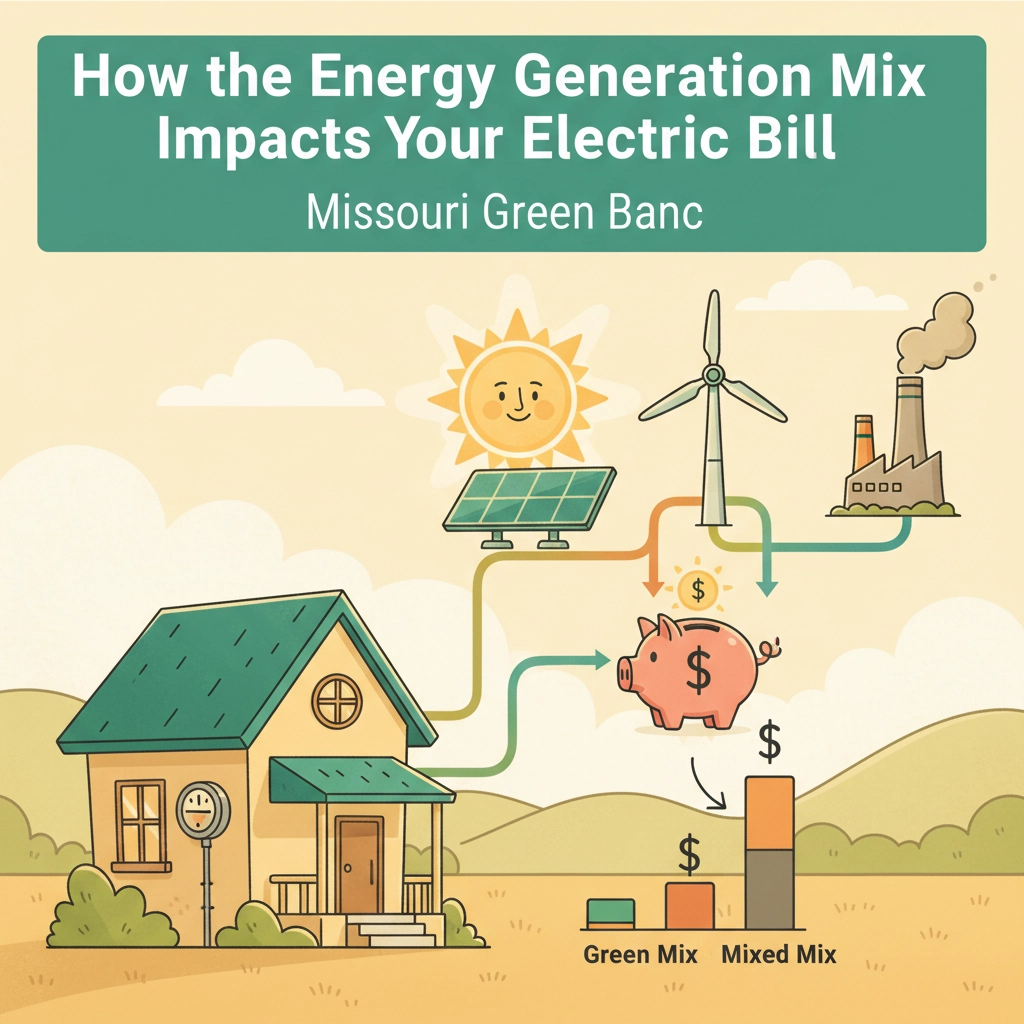
Not all power plants cost the same to run. The electric grid operates based on a "generation stack" – a ranking of energy sources from least to most expensive to operate.
Baseload Power: Nuclear plants and large hydropower facilities typically provide continuous, low-cost power around the clock. These facilities have high upfront construction costs but very low operating expenses once built. Nuclear plants can run consistently for months without interruption, providing stable baseline generation.
Renewable Energy: Wind and solar resources come next in the economic dispatch order. Because their "fuel" – sunlight and wind – is free, their operating costs are very low once the systems are built. Modern renewable facilities have become the cheapest source of new electricity generation in most markets across the United States.
Fossil Fuel Plants: Natural gas and coal plants are higher up the cost stack. They're often called upon when demand peaks or when renewable generation is unavailable. These plants have higher fuel and maintenance costs, so the electricity they produce is more expensive. Natural gas plants offer flexibility to ramp up and down quickly, making them valuable for meeting variable demand, but their costs fluctuate with global fuel prices.
This economic hierarchy means that utilities naturally prefer to use cheaper sources first, only calling on more expensive plants when absolutely necessary to meet demand.
How Prices Are Set
Here's where it gets interesting; the last and most expensive unit of power needed to meet total demand sets the price for all electricity on the grid during that period.
For example, if the grid only needs enough power to utilize renewables and nuclear sources, prices stay relatively low. But when demand increases and fossil fuel plants must be called upon to meet it, their higher costs become the "market price" that applies across the board.
This pricing mechanism, known as marginal cost pricing, means that even though most electricity might be generated by low-cost sources, the price everyone pays reflects the cost of the most expensive plant needed to maintain grid reliability. During peak demand periods, this can result in electricity prices that are significantly higher than average generation costs.
The system creates strong economic incentives for utilities and developers to invest in lower-cost generation resources, as these facilities can operate profitably more often throughout the year.

Why Energy Diversity Matters
When renewable energy is available and contributing to the grid, it reduces how often the most expensive fossil fuel plants must run. That helps lower the overall price of electricity for all consumers.
Recent analysis shows that renewable energy sources have helped stabilize electricity costs even as the overall generation mix has evolved significantly. States with higher renewable energy penetration often experience less price volatility because they're less dependent on fossil fuel price fluctuations.
If renewables are removed or reduced from the generation mix, more fossil fuel units are required to meet demand. Because those plants are more costly to operate, the market price rises – and that increase ultimately appears on your monthly utility bill.
Energy diversity also provides important reliability benefits. A mix of generation sources with different operating characteristics helps ensure that the grid can meet demand even when individual facilities are offline for maintenance or when weather conditions affect renewable generation.
The combination of baseload nuclear power, flexible natural gas generation, and variable renewable resources creates a robust system that can adapt to changing conditions while maintaining competitive electricity prices.
Beyond Generation: Other Bill Factors
While the generation mix significantly influences electricity costs, other factors have become increasingly important drivers of utility bills. Transmission and distribution infrastructure investments now represent a larger portion of total electricity costs than generation in many markets.
America's aging electrical grid requires substantial modernization to handle current electricity demands and withstand increasingly severe weather events. These infrastructure investments, while necessary for long-term reliability, add to near-term customer costs.
Regulatory compliance costs, public purpose programs, and local taxes also contribute to the final bill amount. Understanding these various components helps consumers better evaluate their electricity costs and the factors driving changes over time.

Missouri's Energy Landscape
Missouri's generation mix includes a combination of coal, natural gas, nuclear, and growing renewable resources. The state's energy profile affects local electricity prices and provides opportunities for strategic investments in lower-cost generation alternatives.
Property owners and businesses across Missouri have opportunities to participate in this energy transition through strategic efficiency upgrades and renewable energy installations. These investments not only reduce individual energy costs but also contribute to a more diverse and stable generation mix that benefits all electricity consumers.
The Missouri Clean Energy District's PACE program, the first and largest in Missouri with over 300 municipal members, enables property owners to finance energy improvements that reduce both individual consumption and overall system costs.
The Financial Impact of Generation Choices
The choice between different generation sources has long-term financial implications that extend far beyond initial construction costs. Fossil fuel plants require ongoing fuel purchases that expose consumers to global commodity price volatility, while renewable facilities have predictable operating costs once installed.
Analysis of electricity markets shows that regions with diverse generation portfolios, including significant renewable capacity, tend to experience more stable long-term pricing trends. This stability benefits both individual consumers and businesses planning long-term facility investments.
Modern renewable energy projects often include long-term power purchase agreements that lock in electricity prices for decades, providing predictable cost structures that benefit both developers and consumers.
The Takeaway
A diverse energy generation mix – one that includes renewables alongside traditional sources : helps stabilize electricity prices and reduce long-term costs for consumers. Every source has a role to play, but the balance among them directly determines how much we all pay for reliable power.
The transition toward cleaner generation sources represents both an environmental imperative and an economic opportunity. By supporting the development of low-cost renewable generation and complementary storage technologies, Missouri communities can benefit from more stable electricity prices while supporting broader sustainability goals.
Strategic energy investments at the property level, supported by innovative financing mechanisms, allow individual building owners to participate in this transition while reducing their own operating costs. These distributed investments contribute to overall system efficiency and resilience.
At Missouri Green Banc, we work to expand access to clean, affordable energy options for Missouri communities. By supporting projects that increase the share of low-cost renewable generation, we're helping reduce both the environmental and financial costs of the energy we use every day. Understanding how generation choices affect electricity bills empowers property owners and businesses to make informed decisions that benefit both their bottom line and the broader energy system.
